SKILLS BOND REPAIR METHOD
Men's Bond Repair Hair Treatment in Dubai
Bond repair should not begin after the chemical service has already taken everything the hair could give.
It should begin before the pressure arrives.
Bleaching, major colour correction, perming and structural straightening can place significant stress on the hair fibre.
When the planned change is demanding, the starting condition matters as much as the formula used afterward.
At SKILLS, Bond Repair is not treated as a decorative mask added at the end. It is used as a controlled fibre-support system before, during or after selected chemical work, according to the condition of the hair and the verified treatment protocol.
The purpose is to reinforce the starting position, support vulnerable areas and reduce avoidable damage while the transformation is being built. It does not make strong chemistry harmless. It makes the decision around that chemistry more responsible.
At SKILLS, Bond Repair is not treated as a decorative mask added at the end. It is used as a controlled fibre-support system before, during or after selected chemical work, according to the condition of the hair and the verified treatment protocol.
The purpose is to reinforce the starting position, support vulnerable areas and reduce avoidable damage while the transformation is being built. It does not make strong chemistry harmless. It makes the decision around that chemistry more responsible.
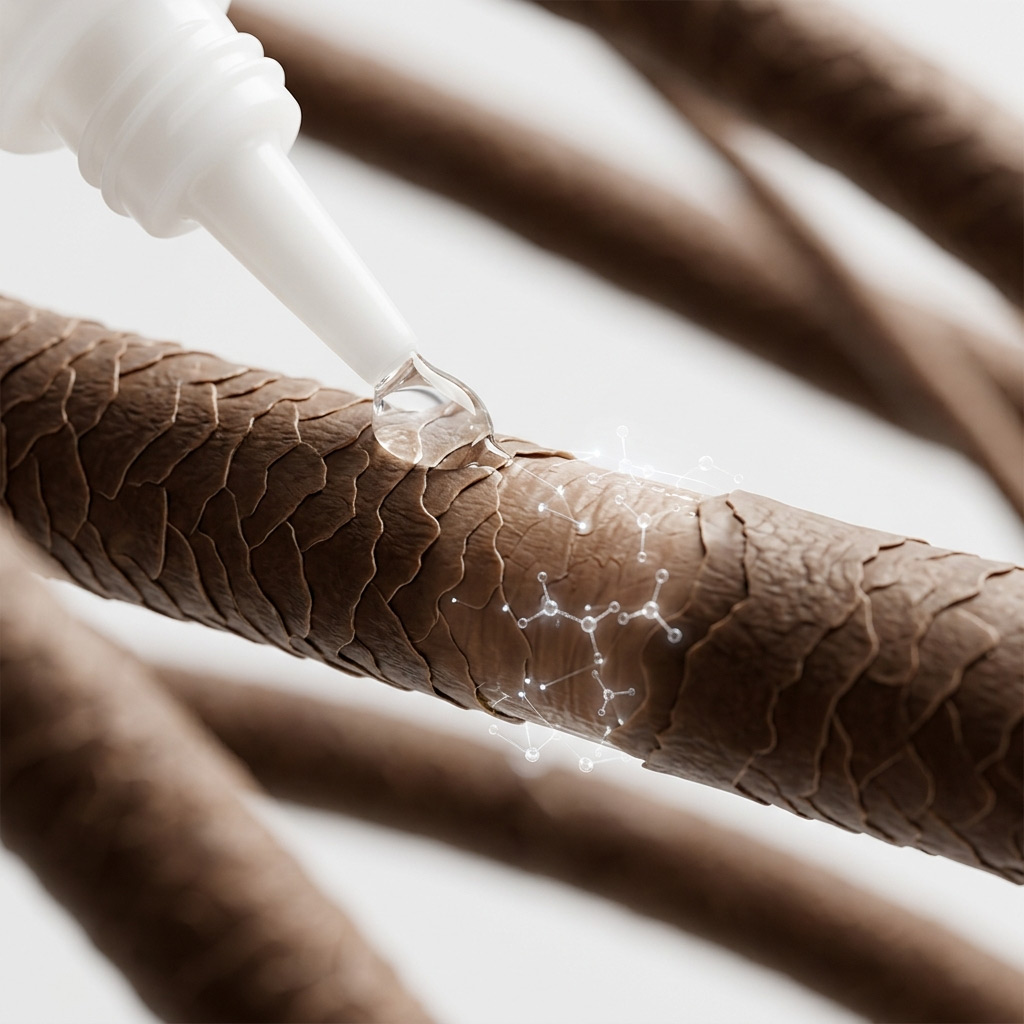
What Bond Repair Is Designed to Support
Hair is formed mainly from keratin proteins organised into a complex structure. Its strength and shape depend partly on disulfide bonds and other interactions within the fibre. Bleaching, perming, colouring, straightening, heat and repeated mechanical stress can affect that structure in different ways. A suitable Bond Repair system may support:
• fibre resistance
• elasticity control
• vulnerable porous areas
• manageability
• reduced fragility during normal handling
• preparation before selected high-impact services
• recovery after controlled chemical work
The exact benefit depends on the technology being used. "Bond repair" is not one universal chemistry. Different professional systems work through different active ingredients and supporting formulas. This is why the treatment must be understood as a complete protocol, not a fashionable product name.
Why Preparation Before Chemical Work Matters
Strong chemical services do not always meet untouched hair.
They may meet previous colour, older bleach, heat exposure, porous ends or overlapping histories. If those differences
are ignored, the weakest area can determine the final result.
A measured Bond Repair preparation allows SKILLS to support the fibre before the main service begins. This may help improve vulnerable sections, reduce unnecessary stress during processing, support more even handling and create a stronger platform for the planned transformation. This is one of the most important roles of Bond Repair at SKILLS.
The treatment is not waiting for visible damage and then trying to hide it. It is introduced early enough to help control what can still be controlled.
A measured Bond Repair preparation allows SKILLS to support the fibre before the main service begins. This may help improve vulnerable sections, reduce unnecessary stress during processing, support more even handling and create a stronger platform for the planned transformation. This is one of the most important roles of Bond Repair at SKILLS.
The treatment is not waiting for visible damage and then trying to hide it. It is introduced early enough to help control what can still be controlled.
Bond Repair Does Not Give Permission to Ignore the Hair
A preparation stage can support the fibre.
It cannot convert unsuitable hair into suitable hair.
Hair showing severe breakage, unstable elasticity, extensive overlap or major structural loss may still need the chemical
service to be changed, delayed or refused.
The treatment strengthens the starting position, but the hair must still be respected for what remains. One product cannot cancel the consequences of any chemical decision.
The treatment strengthens the starting position, but the hair must still be respected for what remains. One product cannot cancel the consequences of any chemical decision.
Not Every Product Repairs the Same Bond
Some technologies are designed to interact with damaged keratin or thiol-related sites. Others work through
crosslinking, protein deposition, peptides, acids, conditioning agents or film-forming support.
Several approaches may improve the behaviour of damaged hair.
They do not all achieve the same result or work through the same mechanism.
At SKILLS, the professional line, active combinations and sequence remain private. But internally, the system must be verified and used according to its technical purpose. The claim follows the technology.
At SKILLS, the professional line, active combinations and sequence remain private. But internally, the system must be verified and used according to its technical purpose. The claim follows the technology.
Bond Repair Is Not the Same as Protein Treatment
Protein treatments may support the cosmetic strength and surface condition of stressed hair through protein-derived or
film-forming ingredients.
Bond Repair is selected when the direction is centred on fibre integrity, vulnerable chemical history and preparation or
recovery around demanding processing.
The categories can overlap, but they should not be treated as identical.
The correct choice comes from the hair's history and behaviour, not from whichever treatment sounds stronger.
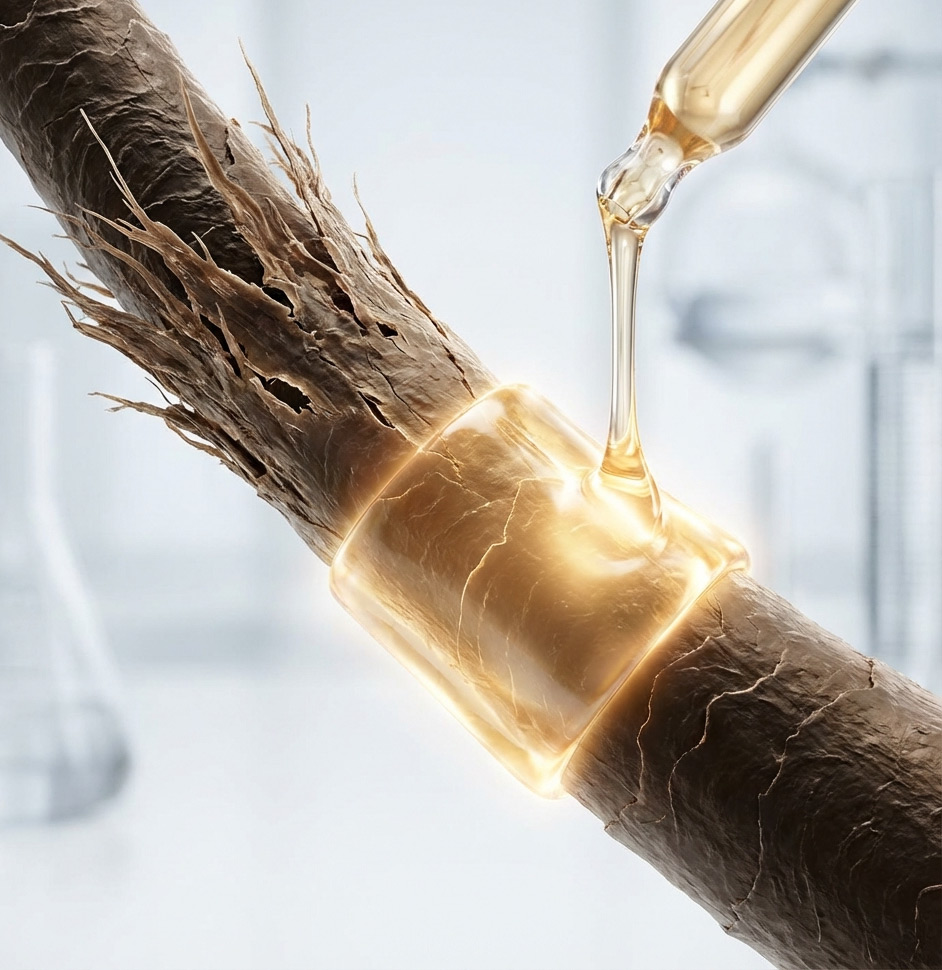
Bond Repair Is Not Hair Filler
Hair Filler is generally positioned around cosmetic body and support for strands that feel reduced or porous.
Bond Repair is positioned around resistance and structural support within the limits of the selected technology.
Both may improve manageability.
But filler should not be sold as biological density, and Bond Repair should not be sold as complete reconstruction.
Each service must keep its own job.
The Hair Must Be Read by Sections
Chemical history rarely sits evenly across the head. Natural roots may be strong. Mid-lengths may carry colour. Ends may contain older bleach, heat and repeated overlap. The assessment considers:
• porosity
Bond Repair should follow this map, not erase it.
• porosity
• elasticity
• strand thickness
• visible breakage
• previous colour and bleaching
• perming or straightening history
• heat exposure
• condition from roots to ends
• the intensity of the planned service
Bond Repair should follow this map, not erase it.
A Better Finish Is Not the Only Measure
Bond Repair may improve softness, shine, detangling and surface behaviour.
Those benefits matter, but they are not the complete purpose.
A salon blow-dry can make many treatments look successful on the first day.
The stronger measure is whether the hair remains more manageable, more resistant and better supported once
washing and daily styling begin.
At SKILLS, shine is not used as proof that every internal bond has been rebuilt.
When Bond Repair May Not Be Enough
The service may need to change when there is:
• active severe breakage
Some hair needs time. Some needs compromised ends removed. Some needs a different chemical target. Bond Repair should support responsible transformation, not become an excuse to force one.
• active severe breakage
• hair beginning to disintegrate when wet
• extreme porosity
• unstable elasticity
• significant chemical overlap
• an unknown straightening history
• active scalp irritation
• open or compromised skin
• an expectation of complete restoration
• a plan to use treatment only as permission for further aggressive processing
Some hair needs time. Some needs compromised ends removed. Some needs a different chemical target. Bond Repair should support responsible transformation, not become an excuse to force one.
What Bond Repair Can Honestly Promise
A suitable professional Bond Repair protocol may help:
• reinforce vulnerable hair
It cannot promise:
The correct promise is not perfection. It is better control over a demanding process.
• reinforce vulnerable hair
• improve fibre resistance
• support elasticity and manageability
• reduce avoidable damage during selected chemical work
• support the hair before and after demanding services
• improve the condition of porous or chemically stressed lengths
It cannot promise:
• zero damage
• complete reversal of previous chemical work
• permanent restoration to untouched hair
• permanent fusion of split ends
• unlimited future processing
• identical results for every client
The correct promise is not perfection. It is better control over a demanding process.
Results and Maintenance
Bond Repair may be used as one preparation stage, one recovery service or part of a wider chemical plan.
Its duration depends on the exact professional system, the condition of the hair, washing, heat, future chemical work,
swimming and daily handling. The treatment should be repeated only when the hair’s response supports it, not because one schedule is applied to every client.
The SKILLS Perspective
At SKILLS, Bond Repair is not something we remember after the transformation.
It can be part of how the transformation is made possible.
Before selected high-impact chemical services, we may introduce a measured preparation stage to reinforce vulnerable
areas, improve fibre resistance and place the hair in a better condition for the process ahead.
That is not a small add-on.
It changes the starting position.
The client is not only asking for a new colour, a lighter base, a curl or a straighter result. He is trusting us to decide how much pressure the hair can carry and what must be done before that pressure begins. The chemical service creates the visible change. The preparation protects the possibility of delivering it responsibly.
The client is not only asking for a new colour, a lighter base, a curl or a straighter result. He is trusting us to decide how much pressure the hair can carry and what must be done before that pressure begins. The chemical service creates the visible change. The preparation protects the possibility of delivering it responsibly.
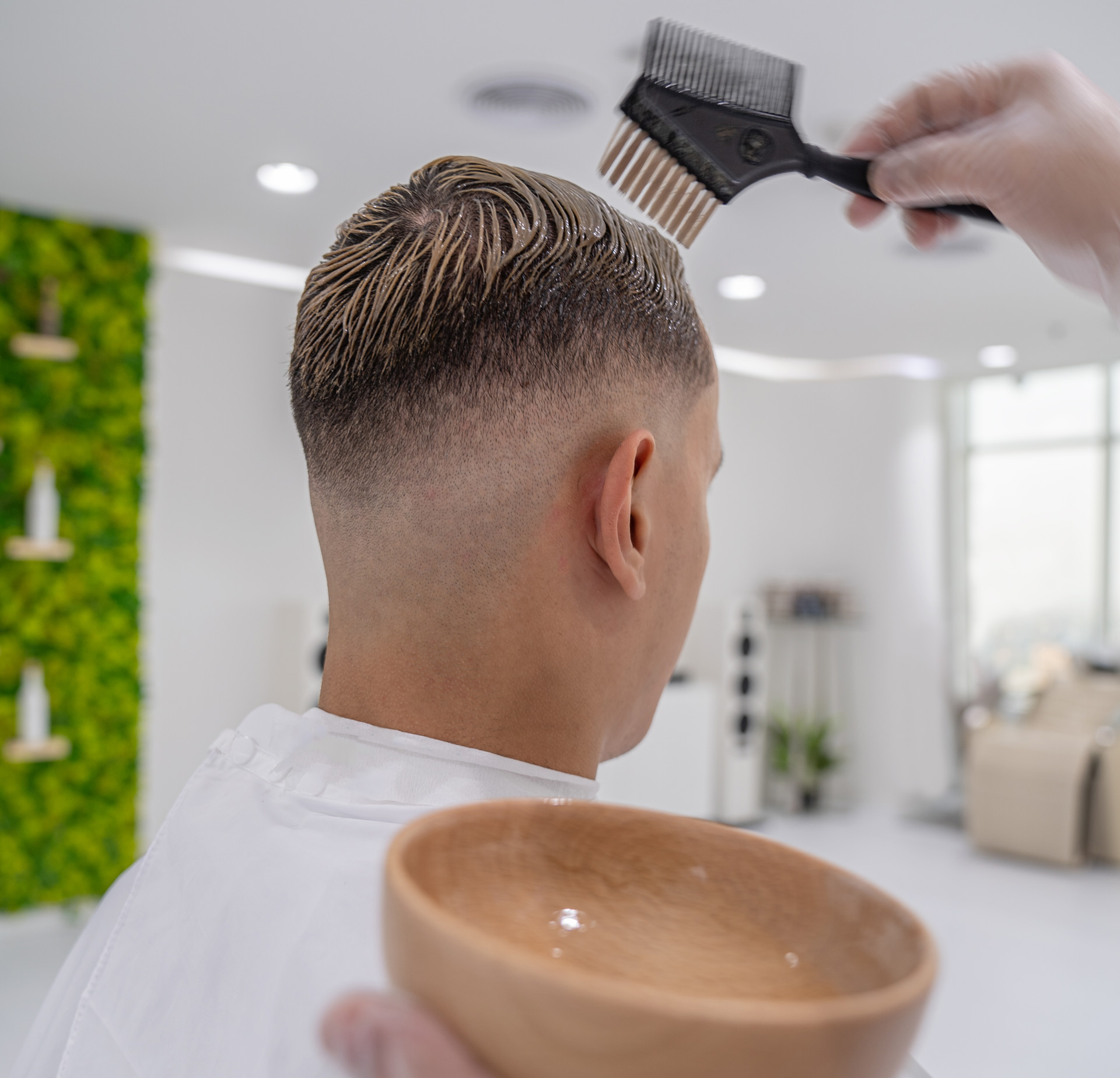
The Method Behind SKILLS Bond Repair
The SKILLS Bond Repair Method was developed by Mo Ebrahim as a preparation and protection architecture around
demanding chemical work.
It begins before the main formula touches the hair.
Natural growth, coloured sections, previously lightened lengths and weakened ends are separated rather than treated
as one material.
The fibre is read for porosity, elasticity, resistance and remaining flexibility.
From that map, SKILLS decides where reinforcement is required, where the treatment should remain lighter and whether the planned chemical direction should continue at all. A professional bond-support system is combined with selected restructuring and conditioning stages inside a sequence developed exclusively for SKILLS. The products remain private. The control they create is the public value.
The method may be used before selected aggressive services to strengthen the starting position and help reduce avoidable damage. It may continue during or after the service when the verified system and hair condition require it. No preparation can remove every risk or turn compromised hair into untouched hair. That is not the claim.
The SKILLS difference is knowing that protection should not begin after the damage becomes visible. It should be designed into the service before the transformation starts. Many salons treat repair as recovery. SKILLS also uses it as preparation.
From that map, SKILLS decides where reinforcement is required, where the treatment should remain lighter and whether the planned chemical direction should continue at all. A professional bond-support system is combined with selected restructuring and conditioning stages inside a sequence developed exclusively for SKILLS. The products remain private. The control they create is the public value.
The method may be used before selected aggressive services to strengthen the starting position and help reduce avoidable damage. It may continue during or after the service when the verified system and hair condition require it. No preparation can remove every risk or turn compromised hair into untouched hair. That is not the claim.
The SKILLS difference is knowing that protection should not begin after the damage becomes visible. It should be designed into the service before the transformation starts. Many salons treat repair as recovery. SKILLS also uses it as preparation.
Arrange your consultation
A consultation allows the chemical history, porosity, elasticity, current resistance and planned service to be understood
before Bond Repair is selected.
Contact the SKILLS concierge team through WhatsApp or call the salon to arrange the assessment.
Founder's Method
For the deeper professional thinking behind treatment selection, fibre condition and choosing strength support only after
the hair is understood, read Mo Ebrahim's Hair Treatment Method.