SKILLS COLLAGEN TREATMENT METHOD
Men's Collagen Hair Treatment in Dubai
Collagen treatment should not begin because the hair looks tired. It should begin with understanding what "tired" actually means. Hair can feel dry, stiff, flat, rough or lifeless for very different reasons. Some hair lacks moisture. Some has lost cosmetic flexibility. Some has been repeatedly coloured, heated or handled until the surface no longer moves or reflects light as it once did. Those conditions should not be answered with one product by habit.
At SKILLS, collagen treatment is selected when the hair needs softness, flexibility, body and cosmetic support without being pushed toward unnecessary smoothing, excessive strength or heavy coating. The objective is not to make the hair feel artificially silky for one afternoon. It is to help the strand feel more flexible, look more polished and behave with greater ease in daily life.
At SKILLS, collagen treatment is selected when the hair needs softness, flexibility, body and cosmetic support without being pushed toward unnecessary smoothing, excessive strength or heavy coating. The objective is not to make the hair feel artificially silky for one afternoon. It is to help the strand feel more flexible, look more polished and behave with greater ease in daily life.
What Collagen Hair Treatment Is Designed to Do
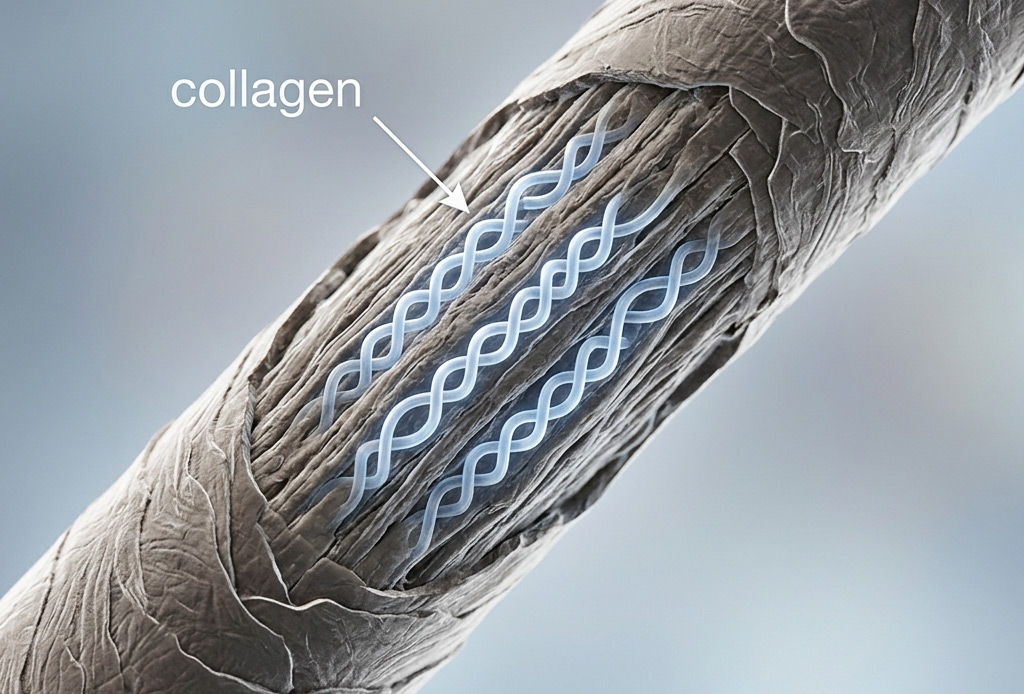
Collagen treatments are used to support the cosmetic feel and appearance of hair that has become dry, dull, rough, rigid or less responsive. Depending on the hair, a suitable treatment may help improve:
• softness
The value of collagen is not that it "rebuilds" hair into a new biological state. Its value is that it can support the way the existing fibre feels, moves and presents when the treatment matches the condition.
• softness
• flexibility
• surface smoothness
• light reflection
• manageability
• body through the lengths
• movement
• the appearance of dry or tired hair
• the feel of hair affected by colour or heat
• the finish through the ends
The value of collagen is not that it "rebuilds" hair into a new biological state. Its value is that it can support the way the existing fibre feels, moves and presents when the treatment matches the condition.
Collagen Is Not Protein Treatment
This distinction matters. Protein treatment is selected when the hair genuinely requires strength support. Collagen treatment is usually directed more toward cosmetic flexibility, softness, movement and surface condition. The two may sound similar because both are often marketed as "repair." They are not interchangeable. Hair that feels weak and overly elastic may require a different direction from hair that feels hard, dry or lacking in flexibility. Using collagen where stronger structural support is needed may not address the main concern. Using strong protein where the hair mainly needs softness may make the strand feel more rigid. The right treatment begins with identifying whether the dominant need is strength, moisture, flexibility or surface support.
Collagen Does Not Permanently Repair Damaged Hair
Hair is not living tissue once it has emerged from the scalp. A cosmetic treatment can improve how the fibre feels and behaves, but it cannot return chemically altered or physically damaged hair to an untouched condition.
Collagen treatment cannot permanently fuse split ends. It cannot reverse bleaching, colour, perming or heat damage. It cannot create new hair growth or increase follicular density. What it can do is improve the cosmetic condition of the hair that remains. That may mean better softness, improved movement, easier styling and a more polished surface. The treatment becomes valuable when its purpose is understood honestly.
Collagen treatment cannot permanently fuse split ends. It cannot reverse bleaching, colour, perming or heat damage. It cannot create new hair growth or increase follicular density. What it can do is improve the cosmetic condition of the hair that remains. That may mean better softness, improved movement, easier styling and a more polished surface. The treatment becomes valuable when its purpose is understood honestly.
Why Hair Can Lose Flexibility
Hair may begin to feel hard, dry or less responsive after repeated exposure to:
• colour
The fibre may still remain present and manageable, but it no longer moves comfortably. The client may notice that the hair feels rigid through the ends, loses shine quickly or requires more effort to style. Collagen treatment may be suitable when the hair needs cosmetic flexibility and a softer finish rather than a stronger chemical change.
• colour
• bleaching
• heated tools
• frequent blow-drying
• aggressive cleansing
• environmental dryness
• swimming
• unsuitable home treatments
• repeated product buildup
• lack of regular conditioning
The fibre may still remain present and manageable, but it no longer moves comfortably. The client may notice that the hair feels rigid through the ends, loses shine quickly or requires more effort to style. Collagen treatment may be suitable when the hair needs cosmetic flexibility and a softer finish rather than a stronger chemical change.
Why the Same Collagen Treatment Looks Different on Different Hair
Two clients can receive the same treatment and still experience different results. The outcome may be influenced by:
• strand thickness
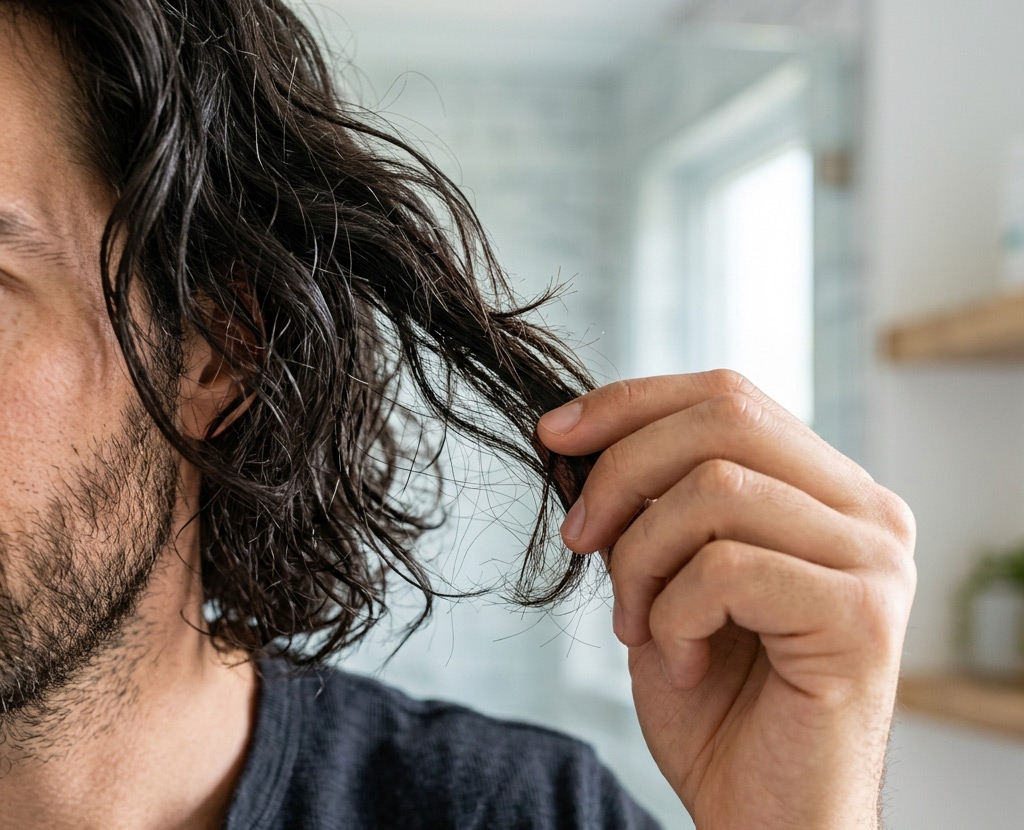
Fine hair may become heavy if too much product is used. Dense or coarse hair may require a different level of support before the result becomes noticeable. Highly porous hair may absorb the treatment unevenly. Curly hair may show improved softness and definition. Straight hair may show more shine and smoother movement. The treatment does not create one identical finish. It works through the condition and structure already present.
• strand thickness
• density
• porosity
• natural texture
• current dryness
• chemical history
• heat exposure
• previous treatments
• product buildup
• hair length
• the condition of the ends
• the amount and placement of the treatment
Fine hair may become heavy if too much product is used. Dense or coarse hair may require a different level of support before the result becomes noticeable. Highly porous hair may absorb the treatment unevenly. Curly hair may show improved softness and definition. Straight hair may show more shine and smoother movement. The treatment does not create one identical finish. It works through the condition and structure already present.
Flexibility Is Not the Same as Weakness
Hair can feel less flexible because it is dry, overloaded or chemically stressed. That does not automatically mean it needs stronger treatment. Weakness may show through excessive stretching, breakage or reduced resistance. Lack of flexibility may show through rigidity, roughness, tangling or difficulty moving naturally. Some hair carries both conditions. Other hair is structurally stable but cosmetically uncomfortable.
The correct direction depends on which pattern is dominant. Collagen treatment should not be used as a vague answer for every condition described as "damaged." It should be selected when the hair will benefit from softness, movement and cosmetic support.
The correct direction depends on which pattern is dominant. Collagen treatment should not be used as a vague answer for every condition described as "damaged." It should be selected when the hair will benefit from softness, movement and cosmetic support.
Body Without Unnecessary Weight
Some hair loses body after repeated styling, colour, dryness or heavy product use. The client may describe the hair as flat, tired or empty. Collagen treatment may help improve the cosmetic fullness and movement of the fibre, but it must not leave the hair coated.
Body is not created by applying the maximum amount of product. Too much weight can flatten fine hair, reduce natural movement and make styling more difficult. The treatment should support the strand without creating a finish that feels heavy or artificial. The correct result is fuller in behaviour, not overloaded in touch.
Body is not created by applying the maximum amount of product. Too much weight can flatten fine hair, reduce natural movement and make styling more difficult. The treatment should support the strand without creating a finish that feels heavy or artificial. The correct result is fuller in behaviour, not overloaded in touch.
Surface Condition Changes the Way Hair Reflects Light
Hair appears shinier when the surface lies more evenly and reflects light with less disruption. Dryness, roughness, chemical history and heat can disturb that finish. Collagen treatment may improve smoothness and light reflection, creating a more polished appearance. But shine alone is not proof that the hair has been repaired.
A temporary coating can create gloss while the underlying condition remains unchanged. The real value is whether the hair also feels softer, moves more naturally and becomes easier to manage after washing. The first-day shine matters. The behaviour after it matters more.
A temporary coating can create gloss while the underlying condition remains unchanged. The real value is whether the hair also feels softer, moves more naturally and becomes easier to manage after washing. The first-day shine matters. The behaviour after it matters more.

Collagen After Colour or Heat
Hair that has been repeatedly coloured or exposed to heat may lose softness and cosmetic flexibility. Collagen treatment may support:
• rough lengths
The treatment should still follow the current condition. Not every coloured head needs collagen. Not every heat-stressed condition should receive the same amount. Some hair may need moisture first. Some may need cutting through the ends. Some may require another treatment family entirely. The previous service explains the history. The present condition decides the treatment.
• rough lengths
• dry ends
• reduced shine
• stiffness
• poor movement
• poor movement
• difficulty styling
• a tired cosmetic finish
The treatment should still follow the current condition. Not every coloured head needs collagen. Not every heat-stressed condition should receive the same amount. Some hair may need moisture first. Some may need cutting through the ends. Some may require another treatment family entirely. The previous service explains the history. The present condition decides the treatment.
Collagen and Curly or Wavy Hair
Curly and wavy hair often depends on flexibility to move and form correctly. When the fibre becomes dry or rigid, the pattern may appear frizzy, uneven or difficult to reveal. A suitable collagen direction may support softness, flexibility and a cleaner cosmetic finish without removing the natural texture.
The treatment should not flatten the curl or replace its identity. The amount and weight matter. A treatment that helps dense curls may overwhelm fine waves. The correct result allows the pattern to move more comfortably, not disappear beneath the product.
The treatment should not flatten the curl or replace its identity. The amount and weight matter. A treatment that helps dense curls may overwhelm fine waves. The correct result allows the pattern to move more comfortably, not disappear beneath the product.
Product Buildup Can Mislead the Decision
Hair that feels dull, heavy or difficult to style may be carrying buildup rather than lacking treatment. Repeated masks, oils, styling creams and home products can make the strand feel coated and resistant.
Applying collagen over buildup may add more weight without improving the actual condition. The first decision may need to be controlled cleansing or simplification. More product is not always more care. Sometimes the hair must be cleared before it can be supported.
Applying collagen over buildup may add more weight without improving the actual condition. The first decision may need to be controlled cleansing or simplification. More product is not always more care. Sometimes the hair must be cleared before it can be supported.
When Collagen May Be the Wrong Direction
Collagen treatment may need to be reconsidered when the hair is showing a concern that belongs to another treatment family. General concerns include:
• active breakage
These concerns do not all lead to the same answer. Some may need recovery time. Some may need a lighter treatment. Some may require a different treatment entirely. The purpose is not to make collagen sound limited. It is to make its role clear enough that the right client receives the right benefit.
• active breakage
• unstable elasticity
• severe weakness
• extreme porosity
• heavy product buildup
• recent repeated protein treatment
• very recent major chemical work
• unclear chemical history
• active scalp irritation
• open or compromised skin
• an expectation of permanent repair
• an expectation of permanent repair
• an expectation of structural straightening
• a concern that mainly requires moisture, protein, filler, bond support or cutting
These concerns do not all lead to the same answer. Some may need recovery time. Some may need a lighter treatment. Some may require a different treatment entirely. The purpose is not to make collagen sound limited. It is to make its role clear enough that the right client receives the right benefit.
What Collagen Can Realistically Improve
A suitable collagen treatment may support:
• improved softness
It cannot honestly promise:
• permanent repair
Collagen has value because it serves a specific purpose. It should not be weakened by pretending it can replace every other treatment.
• improved softness
• better flexibility
• smoother surface behaviour
• improved light reflection
• easier styling
• a fuller cosmetic feel
• better movement
• reduced roughness
• improved appearance of dry ends
• a more polished finish
It cannot honestly promise:
• permanent repair
• permanent reversal of chemical damage
• permanent fusion of split ends
• permanent straightening
• biological hair growth
• increased follicular density
• zero future breakage
• identical results for every client
Collagen has value because it serves a specific purpose. It should not be weakened by pretending it can replace every other treatment.
Longevity Depends on the Hair and Daily Routine
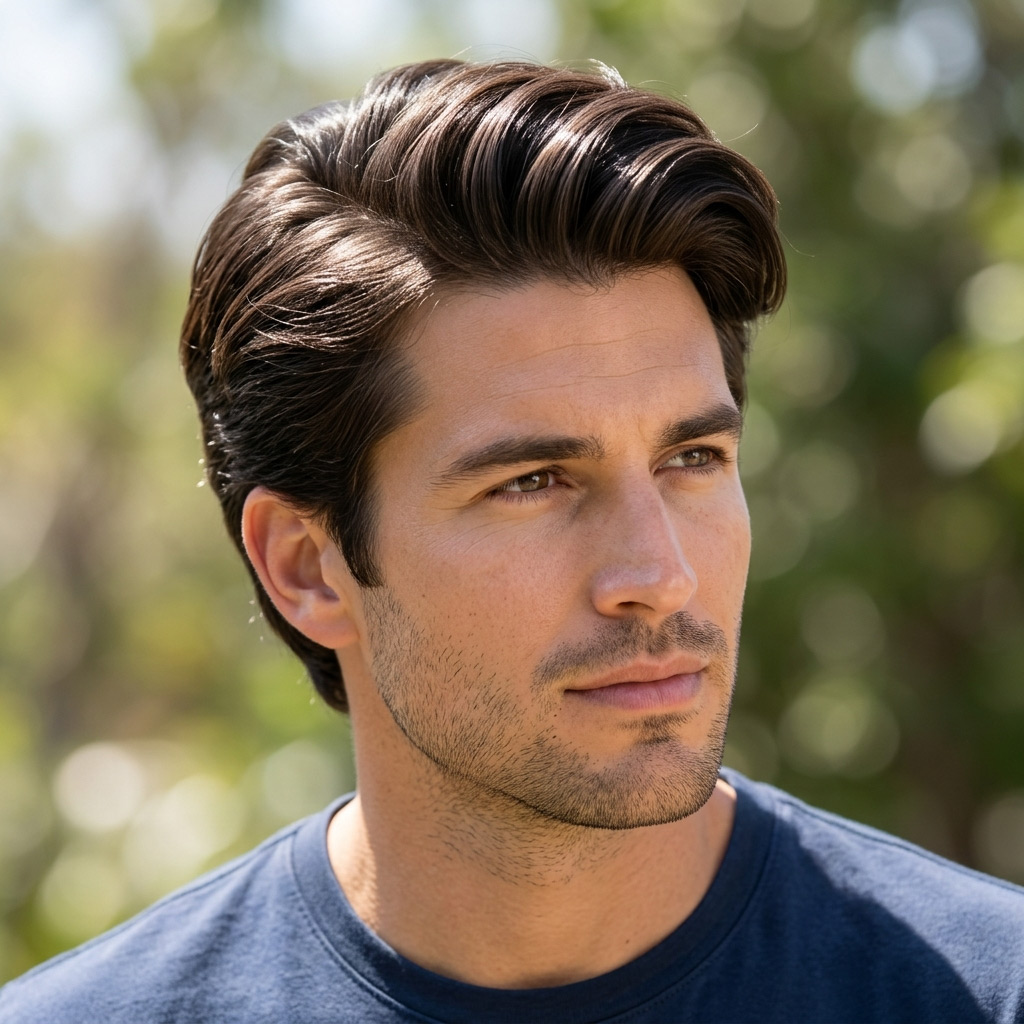
The result of collagen treatment gradually changes. The effect may soften through washing, heat, swimming, humidity, friction and everyday styling. Longevity may be influenced by:
• the selected system
There is no honest fixed lifespan for every client. A suitable treatment may remain noticeable longer because the hair accepts it well and the routine supports it. An unsuitable treatment may feel heavy or ineffective regardless of the stated duration.
• the selected system
• hair porosity
• strand thickness
• chemical history
• washing frequency
• shampoo choice
• heat exposure
• swimming
• water quality
• water quality
• home care
There is no honest fixed lifespan for every client. A suitable treatment may remain noticeable longer because the hair accepts it well and the routine supports it. An unsuitable treatment may feel heavy or ineffective regardless of the stated duration.
Aftercare Should Protect Softness Without Creating Buildup
The client should not leave believing that more masks and oils must now be added every day. The routine may include:
• suitable shampoo and conditioner
The correct routine protects the result without turning treatment into accumulation.
• suitable shampoo and conditioner
• controlled washing frequency
• reduced excessive heat
• careful detangling
• gentler towel use
• moisture support where required
• avoiding overlapping heavy treatments
• recognising when the hair feels coated or flat
• allowing enough time before repeating the service
The correct routine protects the result without turning treatment into accumulation.
The SKILLS Perspective
At SKILLS, collagen is not selected because the word sounds advanced or because the hair looks tired under salon lights. It is chosen when softness, flexibility, body and cosmetic condition genuinely need support. The decision considers porosity, texture, chemical history, existing dryness, product buildup and the way the client needs the hair to behave afterward.
A successful treatment should make the hair feel more alive without making it feel coated. The application creates the immediate finish. The judgement that decides whether collagen belongs there is what protects the result.
A successful treatment should make the hair feel more alive without making it feel coated. The application creates the immediate finish. The judgement that decides whether collagen belongs there is what protects the result.
The Method Behind SKILLS Collagen Treatment
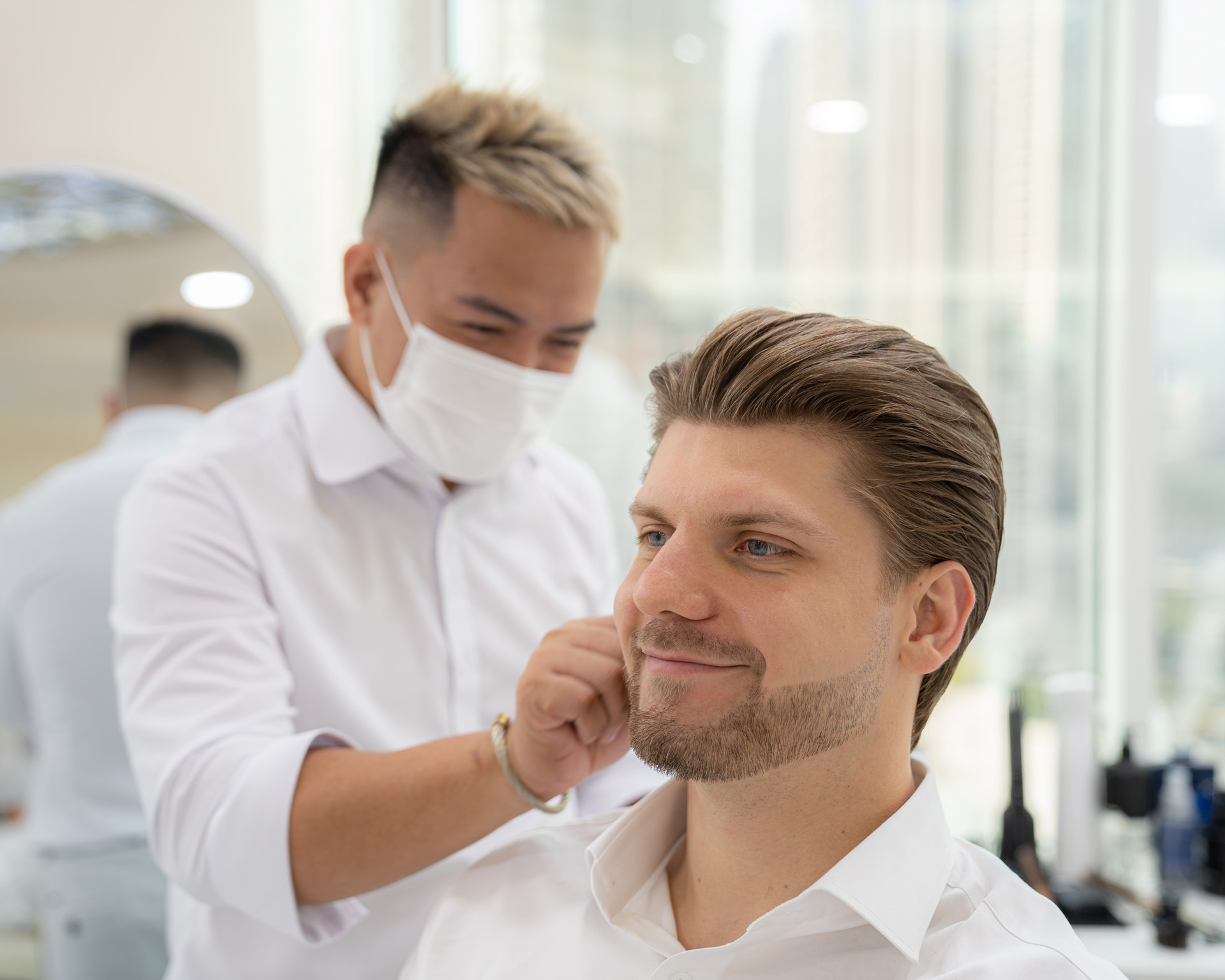
The SKILLS Collagen Treatment Method was developed by Mo Ebrahim around one principle: Hair should feel supported, not covered. That thinking is translated into a treatment protocol created exclusively for SKILLS.
The method connects hair-history reading, porosity, texture, current flexibility, strand thickness, selected collagen-based active ingredients, supporting ingredients, preparation, controlled placement, measured processing and treatment-specific finishing. The protocol is adjusted because fine hair, dense hair, coloured hair, heat-stressed hair, curly hair and product-overloaded hair cannot be handled through one mechanical routine.
SKILLS uses its own studied steps and supporting combinations to improve softness, movement, body and manageability while reducing avoidable heaviness, coating and loss of natural texture as far as reasonably possible. The treatment is not selected first and explained afterward. The hair is read first. Then the method is built around what feels rigid, what needs flexibility, how much support the strand can accept and what movement should remain. No method can return chemically altered hair to an untouched condition or guarantee that every client will respond identically.
The difference is that SKILLS does not measure collagen treatment by how slippery the hair feels in the chair. It measures the service by whether the hair becomes easier to carry, more flexible in movement and more polished without losing itself. Many places can apply a conditioning formula. The SKILLS difference is knowing when collagen is the answer, how much support is enough and how to improve softness without replacing the hair's natural character.
The method connects hair-history reading, porosity, texture, current flexibility, strand thickness, selected collagen-based active ingredients, supporting ingredients, preparation, controlled placement, measured processing and treatment-specific finishing. The protocol is adjusted because fine hair, dense hair, coloured hair, heat-stressed hair, curly hair and product-overloaded hair cannot be handled through one mechanical routine.
SKILLS uses its own studied steps and supporting combinations to improve softness, movement, body and manageability while reducing avoidable heaviness, coating and loss of natural texture as far as reasonably possible. The treatment is not selected first and explained afterward. The hair is read first. Then the method is built around what feels rigid, what needs flexibility, how much support the strand can accept and what movement should remain. No method can return chemically altered hair to an untouched condition or guarantee that every client will respond identically.
The difference is that SKILLS does not measure collagen treatment by how slippery the hair feels in the chair. It measures the service by whether the hair becomes easier to carry, more flexible in movement and more polished without losing itself. Many places can apply a conditioning formula. The SKILLS difference is knowing when collagen is the answer, how much support is enough and how to improve softness without replacing the hair's natural character.
Arrange your consultation
A consultation allows the hair condition, porosity, chemical history, flexibility, product buildup and intended result to be understood before the treatment is selected. Contact the SKILLS concierge team through WhatsApp or call the salon to arrange the assessment.
Founder's Method
For the deeper professional thinking behind treatment selection, fibre condition and choosing strength support only after the hair is understood, read Mo Ebrahim's Hair Treatment Method.