SKILLS HAIR BOTOX METHOD
Men's Hair Botox Treatment in Dubai
Hair Botox should not begin with the word printed on the jar.
It should begin with the formula inside it and the hair expected to carry it.
"Hair Botox" is not one universal treatment.
The name is used across the market for different cosmetic systems. Some are mainly conditioning. Some focus on
surface smoothing and cosmetic filling. Others may reduce texture more noticeably or depend on significant heat.
That difference matters.
At SKILLS, Hair Botox is not selected because the name sounds advanced or because the client has heard that it "repairs everything." The formula, the condition of the strand and the intended result must agree first. The objective is to improve the feel, surface and manageability of tired-looking hair without pretending that cosmetic improvement erases its history.
At SKILLS, Hair Botox is not selected because the name sounds advanced or because the client has heard that it "repairs everything." The formula, the condition of the strand and the intended result must agree first. The objective is to improve the feel, surface and manageability of tired-looking hair without pretending that cosmetic improvement erases its history.
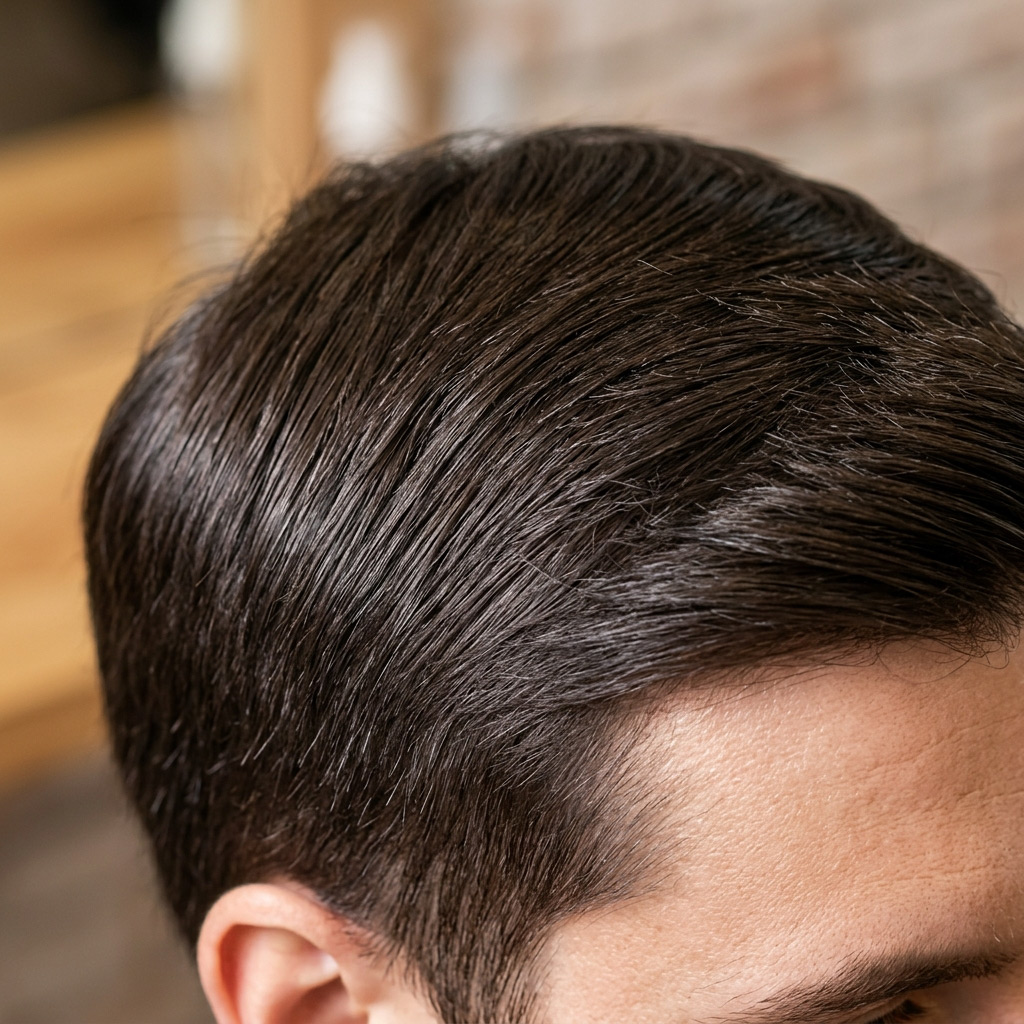
Hair Botox Is a Commercial Name, Not One Chemistry
Unlike a clearly defined chemical process, Hair Botox does not describe one fixed mechanism or one standard group of ingredients. Different systems may contain combinations of:
The result therefore depends on the actual formula. A lighter conditioning system may improve softness, combability and surface behaviour without noticeably changing the natural texture. Another system may create stronger smoothing, reduce volume or depend on controlled heat. The treatment cannot be understood accurately by its marketing name alone. The product must be classified before the service is promised.
• conditioning agents
• cationic ingredients
• emollients
• humectants
• silicones
• oils
• amino acids
• hydrolysed proteins
• polymers
• film-forming ingredients
• acidic ingredients
• smoothing agents
The result therefore depends on the actual formula. A lighter conditioning system may improve softness, combability and surface behaviour without noticeably changing the natural texture. Another system may create stronger smoothing, reduce volume or depend on controlled heat. The treatment cannot be understood accurately by its marketing name alone. The product must be classified before the service is promised.
Hair Botox Is Not Injectable Botox
Salon Hair Botox is not an injection and should not be confused with medical botulinum toxin treatment.
It is a cosmetic hair service performed on the hair fibre.
It does not relax muscles.
It does not act on nerves.
It does not treat the follicle, stimulate biological growth or increase the number of hairs growing from the scalp.
Its purpose belongs to the visible strand. When correctly selected, it may improve how that strand feels, reflects light, moves and responds during styling. That cosmetic purpose is valuable enough without borrowing medical meaning that does not belong to the service.
Its purpose belongs to the visible strand. When correctly selected, it may improve how that strand feels, reflects light, moves and responds during styling. That cosmetic purpose is valuable enough without borrowing medical meaning that does not belong to the service.
What a Conditioning Hair Botox May Improve
When the verified formula is a conditioning and surface-support treatment, it may help hair that appears:
• dry
A suitable treatment may improve:
These improvements come from the way the complete formula interacts with the surface of the hair. They should not be described as the strand becoming biologically new.
• dry
• rough
• dull
• difficult to detangle
• cosmetically tired
• porous through selected areas
• less manageable after colour or heat
• uneven through the lengths and ends
• affected by surface frizz
• lacking a polished finish
A suitable treatment may improve:
• softness
• slip
• combability
• surface smoothness
• light reflection
• manageability
• the appearance of dry lengths
• control during drying and styling
These improvements come from the way the complete formula interacts with the surface of the hair. They should not be described as the strand becoming biologically new.

Cosmetic Filling Must Be Understood Correctly
The expression "cosmetic filling" is often used to describe the way conditioning and film-forming ingredients deposit
around more weathered or porous areas of the hair.
This can make an uneven strand feel smoother and more consistent.
The hair may appear fuller, softer or less rough because the surface has become easier to manage.
That does not mean missing internal structures have been permanently rebuilt.
It does not mean chemical damage has disappeared.
The effect is cosmetic and temporary. That is not an insult to the treatment. A controlled cosmetic improvement can make a meaningful difference to how the client carries his hair every day. The mistake begins only when temporary surface support is sold as permanent reconstruction.
The effect is cosmetic and temporary. That is not an insult to the treatment. A controlled cosmetic improvement can make a meaningful difference to how the client carries his hair every day. The mistake begins only when temporary surface support is sold as permanent reconstruction.
Hair Botox Is Not Automatically Keratin
Hair Botox and keratin services may sometimes produce similar visible benefits, including improved softness, reduced
frizz and a smoother finish.
That does not make the categories identical.
A conditioning Hair Botox service may focus more on surface support, combability and cosmetic condition.
A keratin smoothing service may be selected when the main objective is stronger control of expansion, frizz and styling behaviour. But the name alone cannot create the distinction. Some products sold as Hair Botox behave more like smoothing treatments. Some may affect volume or texture considerably. The formula and technical instructions decide the category.
Where the service crosses into significant smoothing or straightening, it must be explained and managed as such rather than hidden behind a softer name.
A keratin smoothing service may be selected when the main objective is stronger control of expansion, frizz and styling behaviour. But the name alone cannot create the distinction. Some products sold as Hair Botox behave more like smoothing treatments. Some may affect volume or texture considerably. The formula and technical instructions decide the category.
Where the service crosses into significant smoothing or straightening, it must be explained and managed as such rather than hidden behind a softer name.
The Natural Texture Must Not Be Changed by Surprise
Clients often choose Hair Botox expecting softer and healthier-looking hair. They may not expect their wave, curl, volume or movement to change. That expectation must be controlled before the service. Depending on the formula and heat used, the result may:
• reduce surface frizz
• reduce surface frizz
• soften movement
• lower puffiness
• reduce volume
• loosen part of a wave or curl
• make the hair appear straighter
• change how the haircut sits
These changes may be desirable when they have been selected deliberately. They become a problem when the client expected condition support and received unexpected texture reduction. The visible promise must match what the verified formula actually does.
Why the Same Product Does Not Give Everyone the Same Result
Hair does not receive treatment as one uniform material. The outcome may change according to:
• natural texture
Fine hair may lose movement if the formula is too heavy. Dense or coarse hair may show less visible change from a lighter system. Highly porous lengths may attract more conditioning material than healthier roots. Previously bleached ends may respond differently from natural regrowth. The correct service does not treat every area as though it carries the same history.
• natural texture
• strand thickness
• density
• porosity
• elasticity
• previous colour
• previous bleaching
• earlier smoothing
• heat exposure
• current dryness
• product buildup
• hair length
• condition of the ends
• application amount
• placement
• heat requirement
Fine hair may lose movement if the formula is too heavy. Dense or coarse hair may show less visible change from a lighter system. Highly porous lengths may attract more conditioning material than healthier roots. Previously bleached ends may respond differently from natural regrowth. The correct service does not treat every area as though it carries the same history.
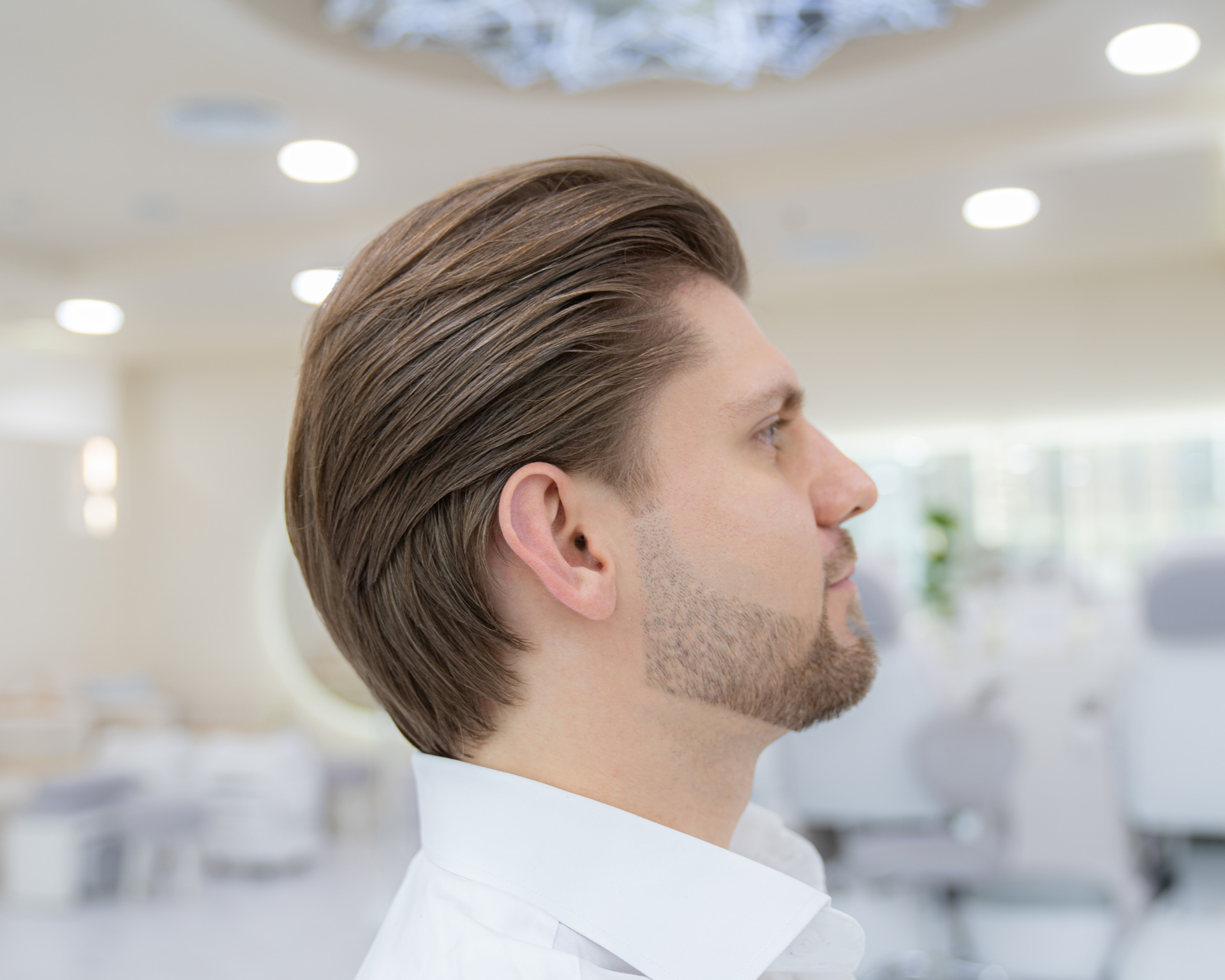
Porosity Changes the Way the Formula Deposits
Chemically treated and weathered hair often has a more negatively charged and uneven surface.
Conditioning ingredients may deposit more strongly onto these damaged areas.
That can improve slip and combability.
It can also create uneven weight when an unsuitable amount is used.
Highly porous hair may appear transformed immediately because the surface accepts more product.
It may also lose the cosmetic result sooner through washing.
Lower-porosity hair may resist heavy formulas and begin to feel coated rather than conditioned.
The treatment must therefore be controlled by condition and placement, not only by the total amount available in the container.
The treatment must therefore be controlled by condition and placement, not only by the total amount available in the container.
Shine Does Not Prove Repair
Hair can appear shinier when the surface reflects light more evenly.
Conditioning agents and film-forming ingredients may create a smoother finish and reduce friction between strands.
That visible shine can be part of a successful service.
It should not be used as proof that previous chemical damage has been reversed.
A professional blow-dry can also make the first-day result appear more dramatic. The more useful question begins after the hair has been washed: Is it easier to detangle? Does it feel softer without becoming heavy? Does it move correctly? Is it easier for the client to style? The salon photograph shows the finish. Daily behaviour reveals the value.
A professional blow-dry can also make the first-day result appear more dramatic. The more useful question begins after the hair has been washed: Is it easier to detangle? Does it feel softer without becoming heavy? Does it move correctly? Is it easier for the client to style? The salon photograph shows the finish. Daily behaviour reveals the value.
Hair Botox Cannot Permanently Repair the Fibre
Hair outside the scalp is a non-living fibre. It can be conditioned, lubricated, coated and supported cosmetically. It cannot biologically heal itself. A suitable Hair Botox service may make weathered hair feel smoother and easier to manage. It cannot:
• return bleached hair to virgin hair
• return bleached hair to virgin hair
• reverse every structural change
• permanently repair oxidative damage
• permanently fuse severe split ends
• replace hair that has broken
• guarantee protection from future damage
• create biological hair growth
• increase follicular density
The treatment should not be weakened by claims it cannot defend. Its legitimate value is the improvement it can create in surface behaviour, comfort and manageability.
The treatment should not be weakened by claims it cannot defend. Its legitimate value is the improvement it can create in surface behaviour, comfort and manageability.
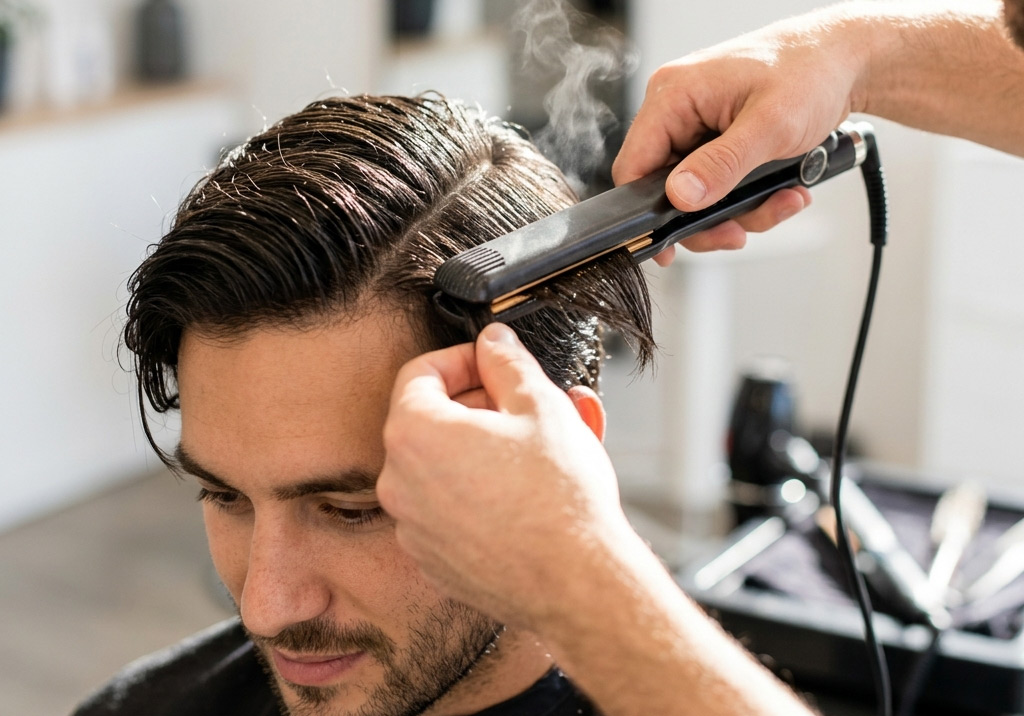
Heat Changes the Classification and the Risk
Some Hair Botox systems require controlled heat as part of the service.
Others require less.
The temperature and number of passes must follow the verified formula, technical instructions and condition of the hair.
Heat should not be used as a general shortcut toward a stronger finish.
Excessive temperature can place additional stress on chemically treated or fragile hair.
More smoke, more passes or flatter hair do not prove a better service.
Where a formula depends on heat to create significant straightening or activates ingredients associated with smoothing
chemistry, it should not be described as a simple conditioning mask.
The category must follow the process actually being performed.
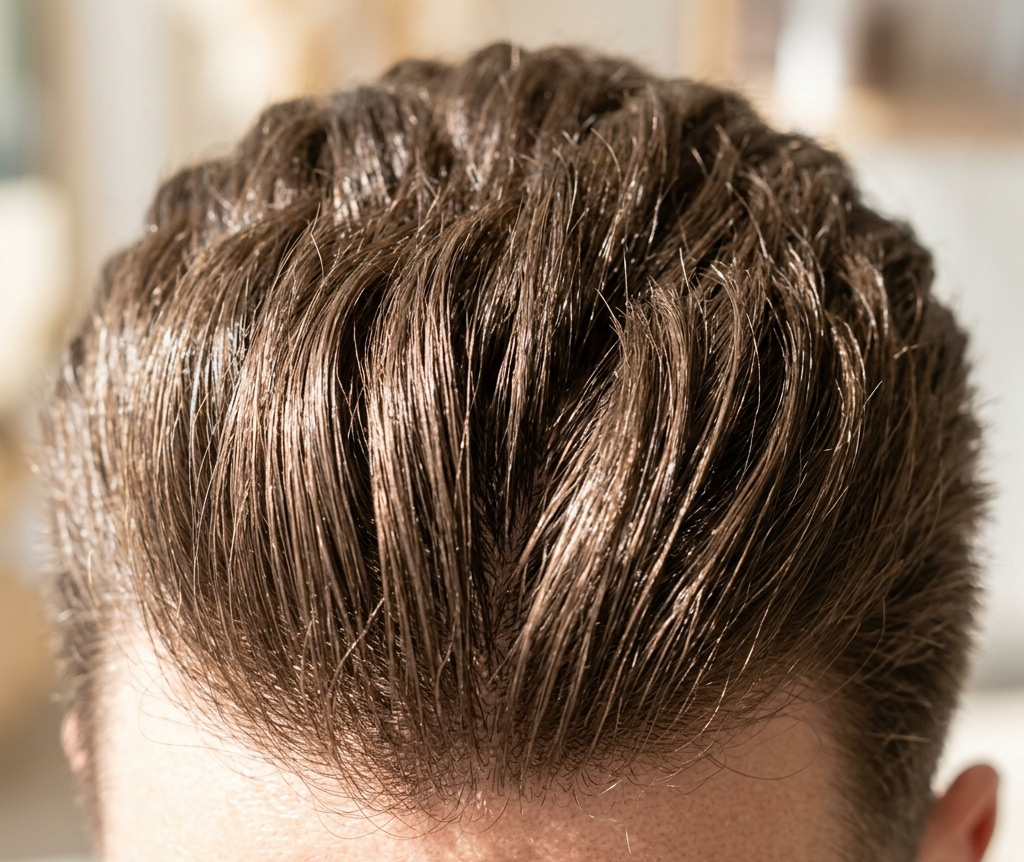
Product Buildup Can Look Like Damage
Hair that appears dull, flat or difficult to manage does not always need more product.
It may already be carrying too much.
Repeated masks, oils, silicones, leave-ins and styling products can build up and interfere with movement.
The client may interpret the heavy feeling as damage and ask for Hair Botox.
Adding another rich formula may increase the coating rather than improve the hair.
Sometimes the correct first step is controlled cleansing. Sometimes it is a lighter routine. Sometimes the hair needs to be left alone. Treatment is not measured by how many layers can be added. It is measured by whether the hair behaves better afterward.
Sometimes the correct first step is controlled cleansing. Sometimes it is a lighter routine. Sometimes the hair needs to be left alone. Treatment is not measured by how many layers can be added. It is measured by whether the hair behaves better afterward.
Chemical History Still Controls the Decision
A cosmetic name does not remove chemical responsibility. Hair that has been bleached, coloured, permed, relaxed, straightened or previously smoothed may respond differently to treatment and heat. Earlier services can change:
• porosity
Hair that looks smooth from the outside may still carry weakness underneath. A polished finish should never be used to silence evidence that the fibre is unstable. The condition determines whether the service belongs there at all.
• porosity
• elasticity
• surface charge
• heat tolerance
• absorption
• fragility
• behaviour through the ends
Hair that looks smooth from the outside may still carry weakness underneath. A polished finish should never be used to silence evidence that the fibre is unstable. The condition determines whether the service belongs there at all.
When Hair Botox May Be the Wrong Direction
The service may need to be reconsidered when there is:
• active breakage
These conditions do not all require the same response. Some may need recovery time. Some may need cleansing or deep conditioning. Some may need cutting through compromised ends. Some may belong to smoothing, bond support or another chemical pathway. The purpose is not to make Hair Botox difficult to receive. It is to prevent an attractive name from being placed over the wrong problem.
• active breakage
• severely unstable elasticity
• extreme porosity
• heavily overprocessed hair
• substantial product buildup
• very recent major chemical work
• an unclear treatment history
• active scalp irritation
• cuts or compromised skin
• a previous significant reaction
• hair unable to tolerate the required heat
• an expectation of permanent repair
• an expectation of permanent straightening
• a concern that belongs to another treatment category
These conditions do not all require the same response. Some may need recovery time. Some may need cleansing or deep conditioning. Some may need cutting through compromised ends. Some may belong to smoothing, bond support or another chemical pathway. The purpose is not to make Hair Botox difficult to receive. It is to prevent an attractive name from being placed over the wrong problem.
What Can Be Promised Honestly
A properly classified and suitable Hair Botox service may support:
• improved softness
It should not promise:
• permanent repair
The correct promise is smaller than the marketing fantasy. It is also far more believable.
• improved softness
• easier combing
• reduced surface friction
• better manageability
• smoother-looking lengths
• reduced cosmetic roughness
• improved light reflection
• easier styling
• a more polished finish
It should not promise:
• permanent repair
• permanent straightening
• permanent removal of frizz
• restoration to virgin hair
• zero future breakage
• one guaranteed lifespan
• identical results between clients
• biological growth or increased density
The correct promise is smaller than the marketing fantasy. It is also far more believable.
Longevity Is Formula-Specific
There is no universal duration for Hair Botox. The result may be influenced by:
• the exact formula
Surface-conditioning benefits gradually reduce as deposited ingredients are removed through washing and handling. Highly porous hair may lose the effect sooner. Heavier formulas may remain noticeable longer but may also weigh down unsuitable hair. Longevity should follow the product and the client, not a number copied from another brand.
• the exact formula
• whether the treatment is mainly conditioning or smoothing
• porosity
• chemical history
• washing frequency
• cleansing products
• heat exposure
• swimming
• water quality
• home products
• daily styling
Surface-conditioning benefits gradually reduce as deposited ingredients are removed through washing and handling. Highly porous hair may lose the effect sooner. Heavier formulas may remain noticeable longer but may also weigh down unsuitable hair. Longevity should follow the product and the client, not a number copied from another brand.
Aftercare Should Protect the Result Without Creating Another Problem
The routine may include:
• suitable shampoo and conditioner
The client should not leave believing that every mask carrying the word Botox should now be added at home. The correct routine protects the result without burying the hair beneath more product.
• suitable shampoo and conditioner
• controlled washing frequency
• reduced excessive heat
• gentle detangling
• careful towel use
• controlled swimming exposure
• avoiding overlapping heavy treatments
• observing unusual stiffness or heaviness
• allowing appropriate time before repeating the service
The client should not leave believing that every mask carrying the word Botox should now be added at home. The correct routine protects the result without burying the hair beneath more product.
The SKILLS Perspective
At SKILLS, Hair Botox is not accepted as a treatment category simply because the manufacturer printed the name on
the label.
The formula is examined first.
We determine whether the service is genuinely conditioning, more strongly smoothing or moving toward structural
texture change.
Only then can the result be explained honestly.
The client may arrive saying his hair feels tired, empty or damaged.
Our responsibility is to turn those words into a clear decision. Does it need softness? Surface support? Controlled smoothing? Less buildup? A better haircut through the ends? Or no additional treatment at all? The name may begin the conversation. It does not make the decision.
Our responsibility is to turn those words into a clear decision. Does it need softness? Surface support? Controlled smoothing? Less buildup? A better haircut through the ends? Or no additional treatment at all? The name may begin the conversation. It does not make the decision.

The Method Behind SKILLS Hair Botox Treatment
The SKILLS Hair Botox Method was developed by Mo Ebrahim to remove the uncertainty hiding behind the marketing
name.
The protocol begins by classifying the exact formula, its functional ingredients, intended effect, heat requirement and manufacturer controls. The hair is then read for porosity, elasticity, density, chemical history, surface condition and its ability to carry additional deposit or heat. From there, SKILLS determines where the treatment should be concentrated, where it should remain lighter and whether the selected product belongs on the hair at all. Selected functional and supporting ingredients are used within a measured sequence developed for the condition being treated.
Healthy roots, porous lengths and exhausted ends are not handled as one identical surface. Fine hair may require restraint. Bleached hair may require controlled placement. Dense hair may accept a different level of support. Product-loaded hair may require cleansing instead of Hair Botox. Where heat is part of the verified system, it is controlled around the fibre and the technical requirements rather than used to produce the flattest possible result.
The exclusive SKILLS method is not built around making Hair Botox sound miraculous. It is built around making the category honest. No proprietary formula needs to be exposed publicly, and no cosmetic protocol can return altered hair to an untouched state.
The SKILLS difference is knowing what the product truly is, what the hair can accept and whether the service will create useful condition or only temporary decoration. Many places can sell the name. SKILLS first determines whether the treatment behind that name deserves to be performed.
The protocol begins by classifying the exact formula, its functional ingredients, intended effect, heat requirement and manufacturer controls. The hair is then read for porosity, elasticity, density, chemical history, surface condition and its ability to carry additional deposit or heat. From there, SKILLS determines where the treatment should be concentrated, where it should remain lighter and whether the selected product belongs on the hair at all. Selected functional and supporting ingredients are used within a measured sequence developed for the condition being treated.
Healthy roots, porous lengths and exhausted ends are not handled as one identical surface. Fine hair may require restraint. Bleached hair may require controlled placement. Dense hair may accept a different level of support. Product-loaded hair may require cleansing instead of Hair Botox. Where heat is part of the verified system, it is controlled around the fibre and the technical requirements rather than used to produce the flattest possible result.
The exclusive SKILLS method is not built around making Hair Botox sound miraculous. It is built around making the category honest. No proprietary formula needs to be exposed publicly, and no cosmetic protocol can return altered hair to an untouched state.
The SKILLS difference is knowing what the product truly is, what the hair can accept and whether the service will create useful condition or only temporary decoration. Many places can sell the name. SKILLS first determines whether the treatment behind that name deserves to be performed.
Arrange your consultation
A consultation allows the exact treatment category, current condition, chemical history, porosity, intended result and
heat suitability to be understood before Hair Botox is confirmed.
Contact the SKILLS concierge team through WhatsApp or call the salon to arrange the assessment.
Founder's Method
For the deeper professional thinking behind treatment selection, fibre condition and choosing strength support only after
the hair is understood, read Mo Ebrahim's Hair Treatment Method.