SKILLS PROTEIN TREATMENT METHOD
Men's Protein Hair Treatment in Dubai
Protein treatment should not begin because the hair feels dry. It should begin with one question: Does the hair actually need strength support? Dryness, roughness, weakness and breakage can look similar from the outside, but they do not come from the same condition.
Hair that lacks moisture may become harder when unnecessary protein is added. Hair that has been repeatedly bleached, coloured or exposed to heat may need support, but even then, more protein is not automatically better.
At SKILLS, protein is not treated as a universal repair answer. It is selected only when the behaviour of the hair shows that additional strength support may improve resistance, control and manageability without pushing the strand into stiffness or overload. The objective is not to make the hair feel hard enough to prove that something was done. It is to support the fibre while keeping the hair flexible enough to move, style and live normally.
Hair that lacks moisture may become harder when unnecessary protein is added. Hair that has been repeatedly bleached, coloured or exposed to heat may need support, but even then, more protein is not automatically better.
At SKILLS, protein is not treated as a universal repair answer. It is selected only when the behaviour of the hair shows that additional strength support may improve resistance, control and manageability without pushing the strand into stiffness or overload. The objective is not to make the hair feel hard enough to prove that something was done. It is to support the fibre while keeping the hair flexible enough to move, style and live normally.
What Protein Hair Treatment Is Designed to Do
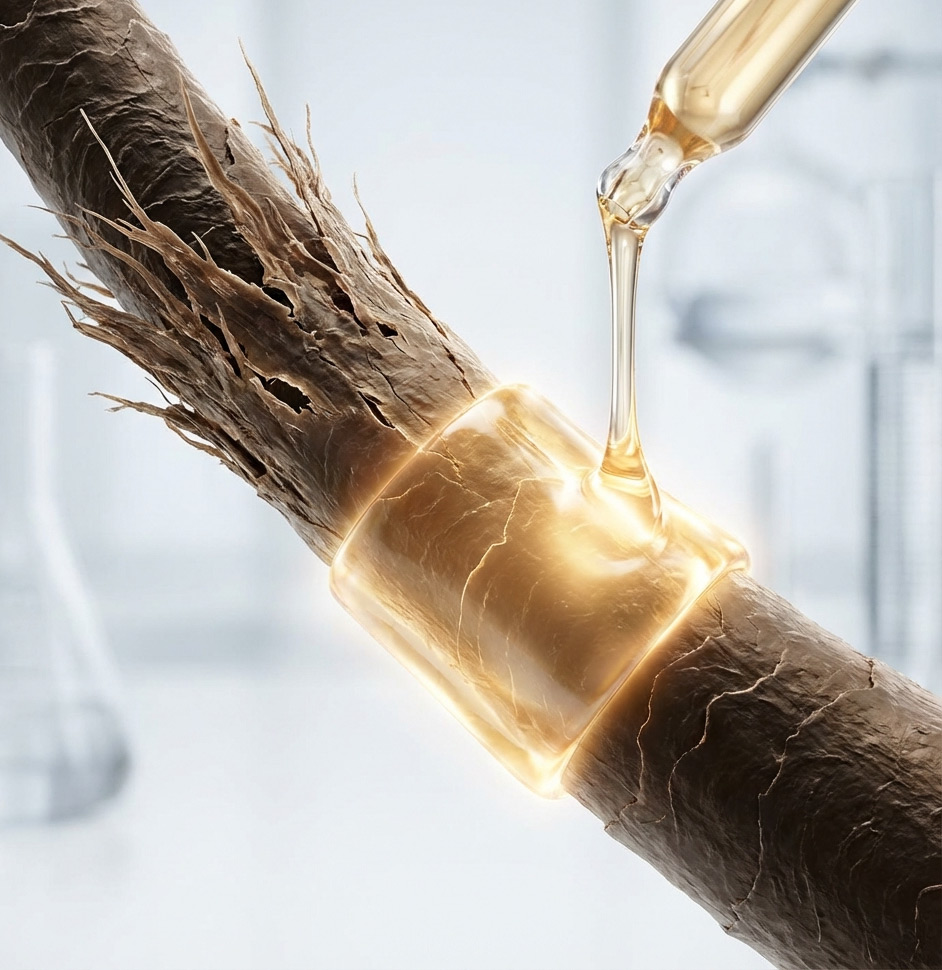
Protein treatments are used to support the cosmetic strength and surface condition of hair that feels weak, fragile or less resistant after chemical, thermal or mechanical stress. Depending on the hair, a suitable treatment may help improve:
• resistance during combing and styling
The word "protein" covers a broad treatment family. Different products may use different protein-derived ingredients, molecular sizes, concentrations and supporting
• resistance during combing and styling
• the feeling of strength through the lengths
• surface smoothness
• manageability
• flexibility when the hair has become weak
• the appearance of porous or stressed sections
• support before or after certain chemical services
• the condition of hair affected by repeated heat
The word "protein" covers a broad treatment family. Different products may use different protein-derived ingredients, molecular sizes, concentrations and supporting
conditioners. That is why the name alone does not tell us how strong the treatment is, how deeply it may interact with the strand or whether it belongs on the hair in front of us.
Protein Does Not Mean Permanent Repair
Hair is made largely from keratin protein, but applying a protein treatment does not rebuild the strand into untouched hair. A cosmetic treatment may support weak areas, improve the surface and make the hair feel more resistant. It cannot reverse every structural change caused by bleach, colour, heat, perming or straightening. It cannot permanently fuse split ends. It cannot replace hair that has already broken.
The honest value of protein is more precise. It can improve how the existing hair behaves when the treatment matches the condition. That is enough when the right problem has been identified.
The honest value of protein is more precise. It can improve how the existing hair behaves when the treatment matches the condition. That is enough when the right problem has been identified.
Dry Hair and Weak Hair Are Not the Same
This distinction controls the entire decision. Dry hair often feels rough, dull or difficult to comb because it lacks moisture and flexibility. Weak hair may stretch excessively, lose resistance, break more easily or feel unsupported after chemical stress. Some hair carries both conditions.
Other hair is dry but structurally stable. If dry hair receives a strong protein treatment when it mainly needs moisture, the strand may feel harder, rougher or less flexible afterward. If genuinely weak hair receives only surface softness, it may feel pleasant temporarily while the lack of resistance remains.
The treatment should respond to the dominant need. A familiar product name should never replace that decision.
Other hair is dry but structurally stable. If dry hair receives a strong protein treatment when it mainly needs moisture, the strand may feel harder, rougher or less flexible afterward. If genuinely weak hair receives only surface softness, it may feel pleasant temporarily while the lack of resistance remains.
The treatment should respond to the dominant need. A familiar product name should never replace that decision.
Why the Same Protein Hair Treatment Behaves Differently on Different Hair
Two clients can receive the same product and experience different results. The outcome may be influenced by:
• porosity
Highly porous hair may absorb treatment quickly and unevenly. Fine hair may become heavy or rigid if the application is too strong. Dense or coarse hair may require a different balance to create a noticeable improvement. Previously bleached ends may need more controlled support than healthier roots. The treatment does not meet one uniform head of hair. It meets several conditions living on the same head.
• porosity
• elasticity
• strand thickness
• natural texture
• density
• previous bleaching
• previous colour
• perming or straightening history
• heat exposure
• existing dryness
• previous protein use
• product buildup
• the condition of the ends
• the amount and placement of the treatment
Highly porous hair may absorb treatment quickly and unevenly. Fine hair may become heavy or rigid if the application is too strong. Dense or coarse hair may require a different balance to create a noticeable improvement. Previously bleached ends may need more controlled support than healthier roots. The treatment does not meet one uniform head of hair. It meets several conditions living on the same head.
Elasticity Reveals More Than Appearance Alone
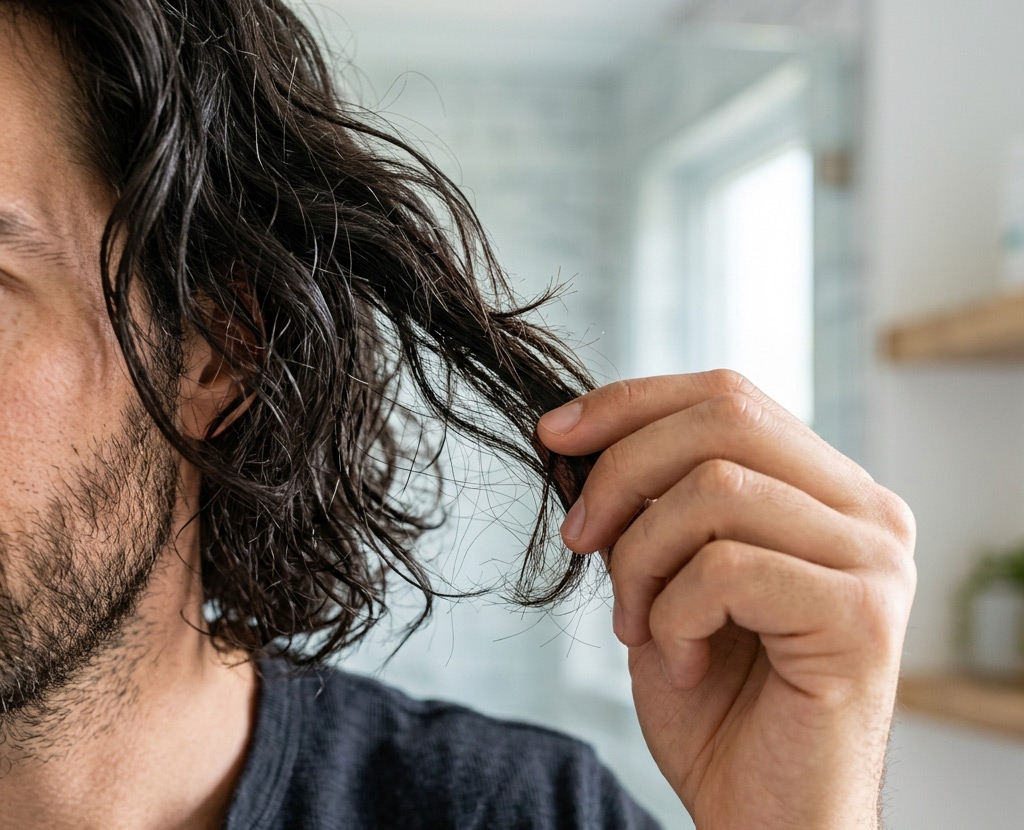
Hair can look polished and still behave poorly when stretched, combed or styled. Elasticity refers to the way the strand stretches and returns. Hair with suitable flexibility can move without immediately snapping or remaining excessively stretched. Hair that has become unstable may feel overly elastic, weak or unable to return to its normal state.
Protein treatment may support certain weakened conditions, but elasticity must not be read alone. Very dry hair can also feel rigid and break without stretching much. This is why visual appearance, touch, chemical history and strand behaviour must be considered together. The answer is not found in one dramatic test. It is found in the complete pattern.
Protein treatment may support certain weakened conditions, but elasticity must not be read alone. Very dry hair can also feel rigid and break without stretching much. This is why visual appearance, touch, chemical history and strand behaviour must be considered together. The answer is not found in one dramatic test. It is found in the complete pattern.
Chemical History Changes the Decision
Protein treatment is often considered after:
• bleaching
These services can change porosity, flexibility and resistance. But chemical history does not automatically prove that protein is required. A client may have bleached hair that mainly needs moisture. Another may have coloured hair that remains stable. A third may show genuine weakness and reduced resistance. The previous service explains where the concern may have started. The current behaviour determines what should happen next.
• bleaching
• major lightening
• repeated colour
• perming
• chemical straightening
• frequent high heat
• overlapping chemical services
• prolonged poor maintenance
These services can change porosity, flexibility and resistance. But chemical history does not automatically prove that protein is required. A client may have bleached hair that mainly needs moisture. Another may have coloured hair that remains stable. A third may show genuine weakness and reduced resistance. The previous service explains where the concern may have started. The current behaviour determines what should happen next.
More Protein Is Not More Strength
Protein can become excessive. Repeated use of strong protein masks, home treatments and salon services can leave the hair feeling:
• hard
Clients sometimes respond to this feeling by adding even more "repair" product. That can continue the problem. Protein overload is not solved by proving commitment through another layer. The hair may need moisture, controlled cleansing, simplification or a pause. The strongest professional decision may be to remove protein from the plan entirely.
• hard
• stiff
• rough
• brittle
• heavy
• coated
• difficult to moisturise
• less flexible
• harder to style
Clients sometimes respond to this feeling by adding even more "repair" product. That can continue the problem. Protein overload is not solved by proving commitment through another layer. The hair may need moisture, controlled cleansing, simplification or a pause. The strongest professional decision may be to remove protein from the plan entirely.
Product Buildup Can Imitate Weakness
Hair that feels heavy, dull or difficult to manage may be carrying layers of masks, oils, leave-ins and strengthening products. The client may interpret the lack of movement as damage and ask for a stronger treatment. In reality, the hair may be overloaded rather than unsupported. Buildup can affect:
• softness
Adding protein over heavy buildup may hide the real condition and make the result more rigid. Sometimes the first step is not treatment. It is clearing enough interference to understand the hair again.
• softness
• movement
• moisture response
• shine
• styling
• how accurately the hair can be assessed
Adding protein over heavy buildup may hide the real condition and make the result more rigid. Sometimes the first step is not treatment. It is clearing enough interference to understand the hair again.
Protein Before or After Chemical Services
Protein support may sometimes form part of a wider service plan. Before chemical work, it may be considered where the hair requires support before another controlled process. After chemical work, it may help hair that shows reduced resistance or fragility. But protein is not a permission slip for aggressive chemical work.
A treatment does not make weak hair automatically suitable for bleach, perming or straightening. It does not remove the need to respect the condition of the fibre. The next service must still be judged on the hair that exists after treatment, not on the confidence created by the treatment name.
A treatment does not make weak hair automatically suitable for bleach, perming or straightening. It does not remove the need to respect the condition of the fibre. The next service must still be judged on the hair that exists after treatment, not on the confidence created by the treatment name.
A Smooth Finish Can Mislead the Client
Protein hair treatment may create a cleaner surface, better shine and a stronger feeling immediately after the service. That visible result can be valuable. It can also be misunderstood. Hair that feels smooth under salon finishing may still require careful handling later. The true result appears after washing, drying and normal styling begin.
A responsible treatment should improve daily behaviour, not only the first photograph. The client should feel that the hair is easier to manage, more supported and better controlled without becoming unnaturally hard.
A responsible treatment should improve daily behaviour, not only the first photograph. The client should feel that the hair is easier to manage, more supported and better controlled without becoming unnaturally hard.
When Protein May Be the Wrong Direction
A suitable protein treatment may support:
• a stronger cosmetic feel
It cannot honestly promise:
Protein treatment has value because its purpose is specific. It should not be weakened by pretending it can do everything.
• a stronger cosmetic feel
• better resistance
• improved manageability
• reduced fragility
• improved surface condition
• better control through porous areas
• support after chemical stress
• easier styling
• improved behaviour through the lengths and ends
It cannot honestly promise:
• permanent repair
• permanent reversal of bleach or chemical damage
• permanent fusion of split ends
• zero future breakage
• identical results for every client
• biological hair growth
• increased follicular density
• that weak hair becomes suitable for every future service
Protein treatment has value because its purpose is specific. It should not be weakened by pretending it can do everything.
Longevity Depends on the Hair and What Happens Next
The result of a protein treatment is not permanent. The effect may gradually reduce through washing, heat, swimming, friction and normal styling. Longevity may be influenced by:
• the product system
• porosity
• chemical history
• washing frequency
• home products
• heat exposure
• water quality
• swimming
• future chemical services
• whether the hair actually needed protein
• whether the hair actually needed protein
There is no honest fixed lifespan for every client. A treatment that creates the correct balance may remain noticeable longer because the hair responds well to it. An unsuitable treatment may feel wrong immediately, regardless of how long the product is meant to last.
Aftercare Should Protect Balance, Not Continue Treatment Without End
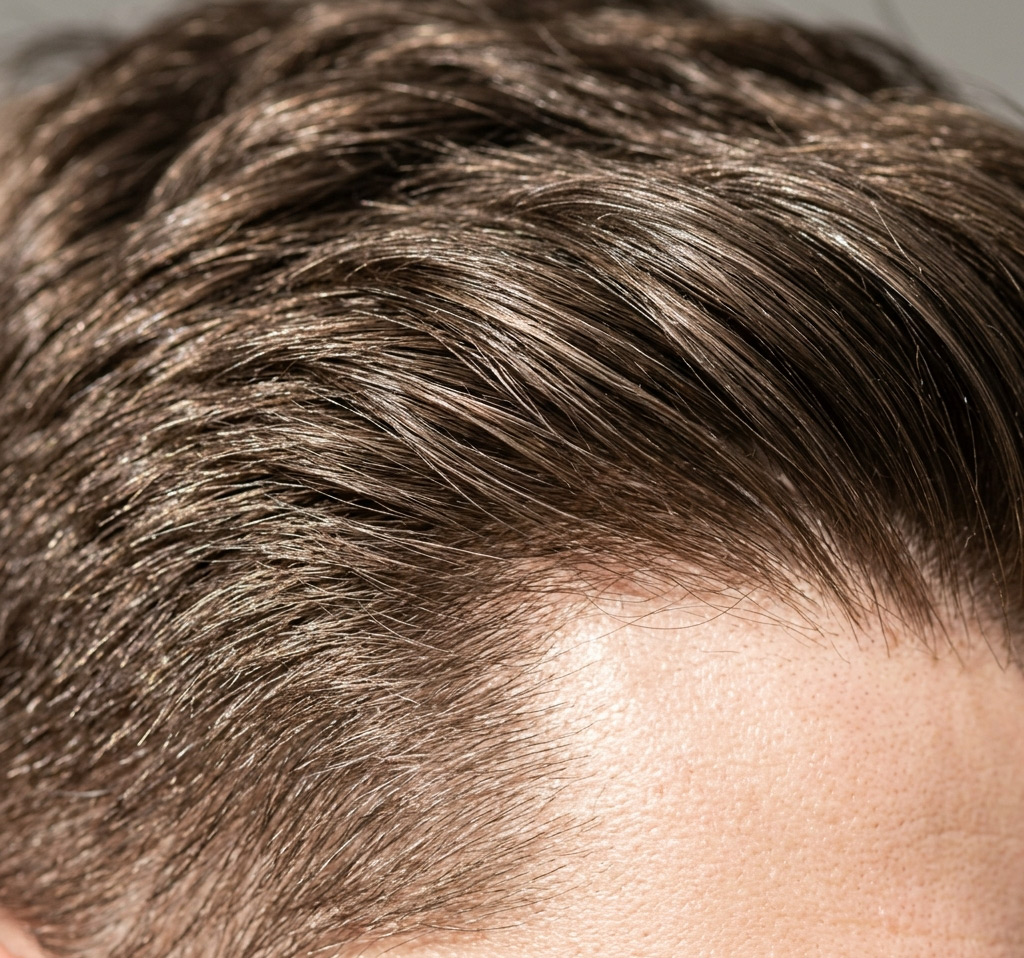
The client should not leave believing that more protein must now be used at home every day. The routine may include:
• suitable shampoo and conditioner
The correct routine protects the balance created in the salon. It does not turn treatment into an endless cycle of adding more.
• suitable shampoo and conditioner
• controlled use of protein-based home products
• moisture support where required
• reduced excessive heat
• careful detangling
• gentler towel use
• avoiding overlapping strong treatments
• monitoring stiffness, roughness or unusual dryness
• allowing enough time before repeating the service
The correct routine protects the balance created in the salon. It does not turn treatment into an endless cycle of adding more.
The SKILLS Perspective
At SKILLS, the protein hair treatment is not sold as the dramatic answer to every damaged-hair story. It is chosen only when the strand shows a genuine need for strength support. The decision considers porosity, elasticity, chemical history, existing dryness, previous protein use and the way the client needs the hair to behave afterward.
A successful treatment should make the hair feel more supported without making it feel punished. The application creates the immediate change. The judgement that decides whether protein belongs there at all is what protects the result.
A successful treatment should make the hair feel more supported without making it feel punished. The application creates the immediate change. The judgement that decides whether protein belongs there at all is what protects the result.
The Method Behind SKILLS Protein Hair Treatment
The SKILLS Protein Hair Treatment Method was developed by Mo Ebrahim around one principle:
Strength without flexibility is another form of weakness. That thinking is translated into a treatment protocol created exclusively for SKILLS. The method connects hair-history reading, porosity, elasticity, strand thickness, current moisture balance, selected protein-based active ingredients, supporting ingredients, preparation, controlled placement, measured processing and treatment-specific finishing.
The protocol is adjusted because fine hair, dense hair, bleached hair, coloured hair, heat-stressed hair and protein-overloaded hair cannot be handled through one mechanical routine. SKILLS uses its own studied steps and supporting combinations to improve resistance and manageability while reducing avoidable stiffness, heaviness and overload as far as reasonably possible. The treatment is not selected first and explained afterward. The hair is read first. Then the method is built around where support is needed, how much the strand can accept and what level of flexibility must remain.
No method can return chemically altered hair to an untouched condition or guarantee that every client will respond identically. The difference is that SKILLS does not measure protein treatment by how hard the hair feels afterward. It measures the service by whether the hair becomes stronger to live with, easier to manage and better prepared for what comes next. Many places can apply a strengthening mask. The SKILLS difference is knowing when protein is the answer, when it is not and how to build strength without sacrificing movement.
Strength without flexibility is another form of weakness. That thinking is translated into a treatment protocol created exclusively for SKILLS. The method connects hair-history reading, porosity, elasticity, strand thickness, current moisture balance, selected protein-based active ingredients, supporting ingredients, preparation, controlled placement, measured processing and treatment-specific finishing.
The protocol is adjusted because fine hair, dense hair, bleached hair, coloured hair, heat-stressed hair and protein-overloaded hair cannot be handled through one mechanical routine. SKILLS uses its own studied steps and supporting combinations to improve resistance and manageability while reducing avoidable stiffness, heaviness and overload as far as reasonably possible. The treatment is not selected first and explained afterward. The hair is read first. Then the method is built around where support is needed, how much the strand can accept and what level of flexibility must remain.
No method can return chemically altered hair to an untouched condition or guarantee that every client will respond identically. The difference is that SKILLS does not measure protein treatment by how hard the hair feels afterward. It measures the service by whether the hair becomes stronger to live with, easier to manage and better prepared for what comes next. Many places can apply a strengthening mask. The SKILLS difference is knowing when protein is the answer, when it is not and how to build strength without sacrificing movement.
Arrange your consultation
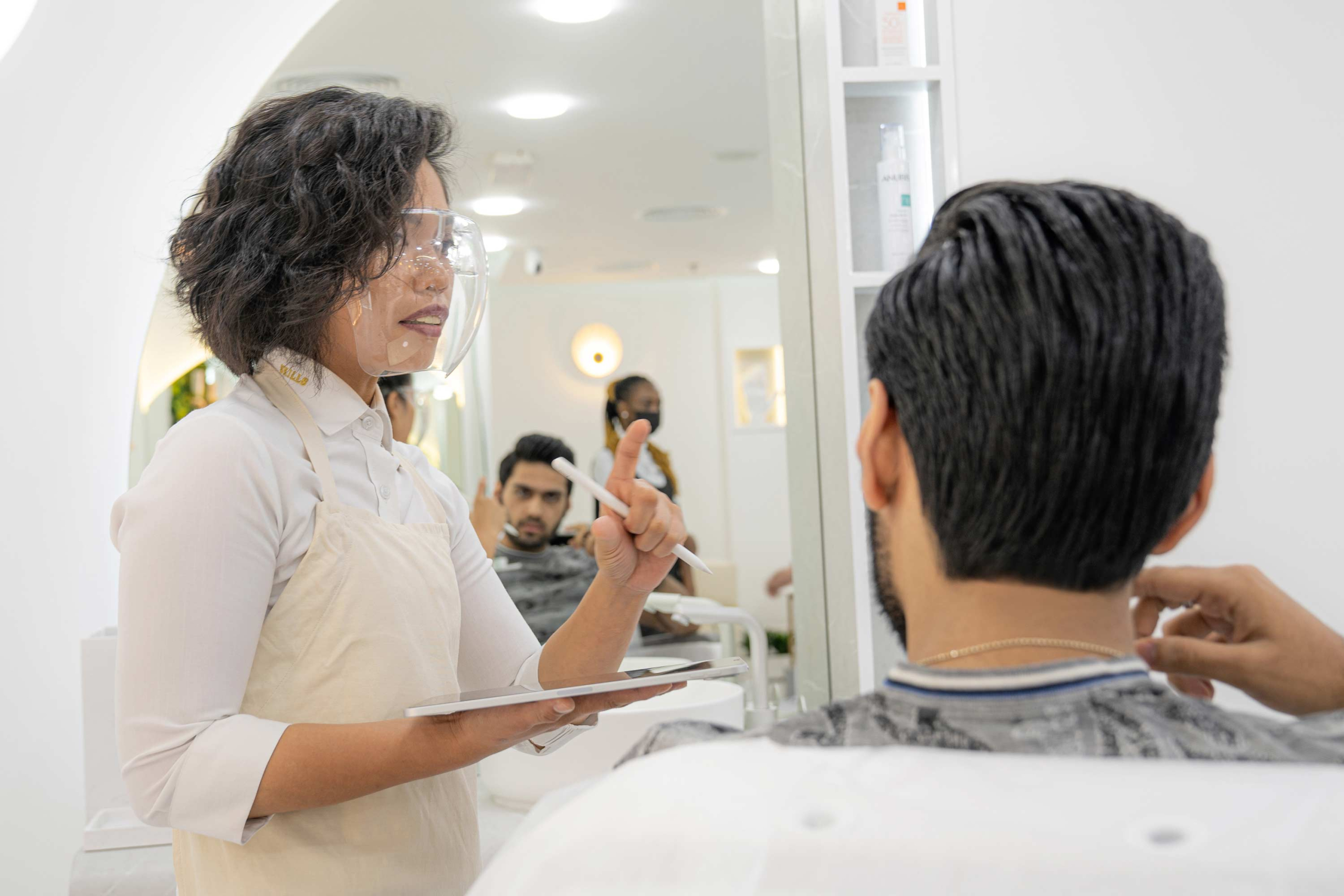
A consultation allows the hair condition, chemical history, elasticity, porosity, previous protein use and intended result to be understood before the treatment is selected. Contact the SKILLS concierge team through WhatsApp or call the salon to arrange the assessment.
Founder's Method
For the deeper professional thinking behind treatment selection, fibre condition and choosing strength support only after the hair is understood, read Mo Ebrahim's Hair Treatment Method.